
It’s not unusual to see firms track every marketing expense down to the penny.
Detailed spreadsheets. Clean reporting. Carefully categorized line items.
And yet, when leadership steps back to evaluate impact, a familiar question emerges:
What did any of this actually accomplish?
The issue usually isn’t financial discipline. It’s strategic clarity.
This is where the difference between budgeting and budget planning becomes critical—and why confusing the two often leads to frustration.
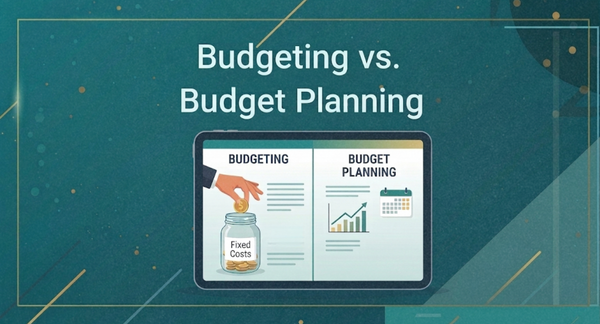
Budgeting Organizes Numbers. Budget Planning Gives Them Purpose.
Budgeting, by definition, is about tracking and allocating dollars. It answers questions like:
- How much did we spend?
- Where did we spend it?
- Are we within range of projections?
These are important operational questions. But they don’t address the bigger issue:
Are we investing in the right things to move the firm forward?
Budget planning, on the other hand, starts earlier. It connects financial decisions to strategic intent. It asks:
- What are our priorities this year?
- Which initiatives will have the greatest impact?
- How should resources align with firmwide and practice group goals?
One is administrative. The other is strategic.
Both matter—but they are not interchangeable.
When Budgeting Happens Without Planning
When firms focus only on budgeting, several patterns tend to emerge:
- Historical spending drives future allocations
- Practice groups compete for resources without shared priorities
- Leadership debates numbers instead of outcomes
- Quarterly reviews become financial check-ins rather than strategic evaluations
The result is often a well-documented spend with limited visibility into effectiveness.
In other words, firms know what they spent. They just don’t know what they achieved.

What Budget Planning Looks Like in Practice
Budget planning introduces structure before spreadsheets ever come into play.
It creates space for leadership and practice groups to:
- Clarify goals for the year ahead
- Identify high-impact initiatives
- Align expectations across teams
- Define success metrics early
When this happens first, budgeting becomes significantly easier. Numbers are assigned with intention, not assumption.
It also reduces friction later. Decisions feel less reactive because priorities have already been established.
Why Firms Benefit from Treating Them Separately
Separating planning from budgeting leads to stronger outcomes in several ways:
Greater alignment
Leadership and practice groups operate from a shared understanding of priorities.
More confident decision-making
Resources can be adjusted without second-guessing strategy.
Improved accountability
Success can be measured by outcomes, not just spending discipline.
Better adaptability
When market conditions shift, firms can pivot without abandoning structure.
This approach allows budgets to function as tools for execution rather than substitutes for strategy.
Building a More Effective Budget Process
Firms that consistently see results from their marketing investments tend to follow a similar sequence:
- Start with strategic conversations
Clarify firmwide and practice group priorities before assigning dollars. - Gather input across stakeholders
Ensure those responsible for execution have a voice in planning. - Define success metrics early
Establish how progress will be measured throughout the year. - Organize financials to support strategy
Use budgeting tools that provide visibility across initiatives and teams. - Schedule regular reviews
Quarterly evaluations help maintain alignment and adjust course when needed.
Budgeting without planning creates structure without direction. Budget planning ensures every dollar has a purpose. When firms integrate both processes, marketing investments become more intentional, measurable, and aligned with broader business goals.Your budget should support your strategy—not replace it. If you are interested in having a marketing budget template and checklist you can go by, visit our resources page at https://cmo2go.co/resources. You can also schedule a discovery call with us to see how we can help your firm!